Gewortel in Christus.
Die Gereformeerde Kerke in Suid-Afrika: 'n Geskiedenis van geloof, volharding, en die suiwer bediening van die Woord.
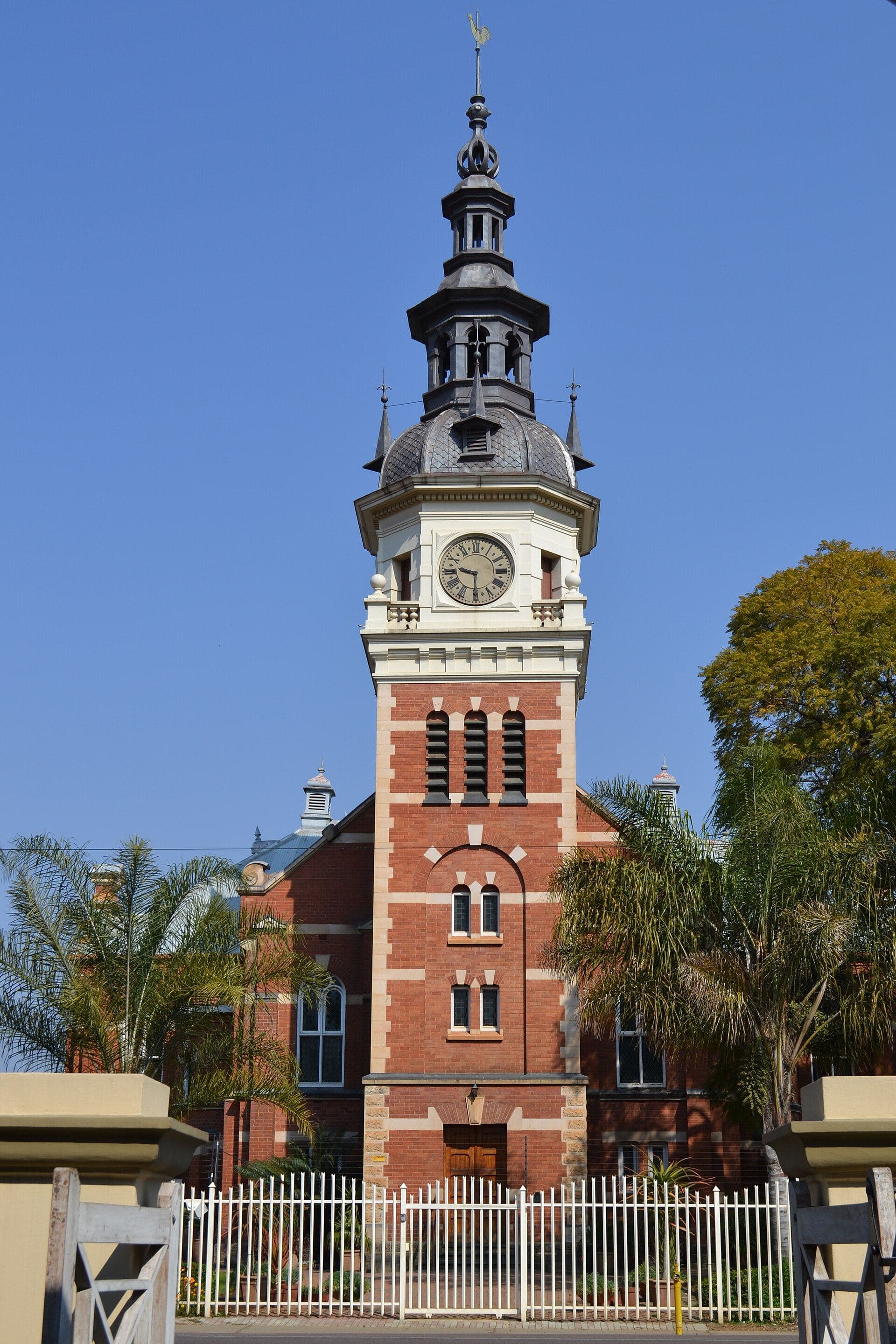
Die Gereformeerde kerk Pretoria in Kerkstraat. Foto: PHParsons, CC BY-SA 3.0.
Ons identiteit
Die Gereformeerde Kerke in Suid-Afrika (GKSA) is 'n kerkverband wat stewig gewortel is in die gereformeerde teologie soos dit in die 16de eeu tydens die Reformasie herontdek is. Sola Scriptura (die Skrif alleen) is ons uitgangspunt.
Ons glo dat die Bybel die onfeilbare Woord van God is en dat ons hele lewe en diens daarop gebou moet word. Dit is nie net 'n historiese dokument nie, maar die lewende stem van God vir vandag.
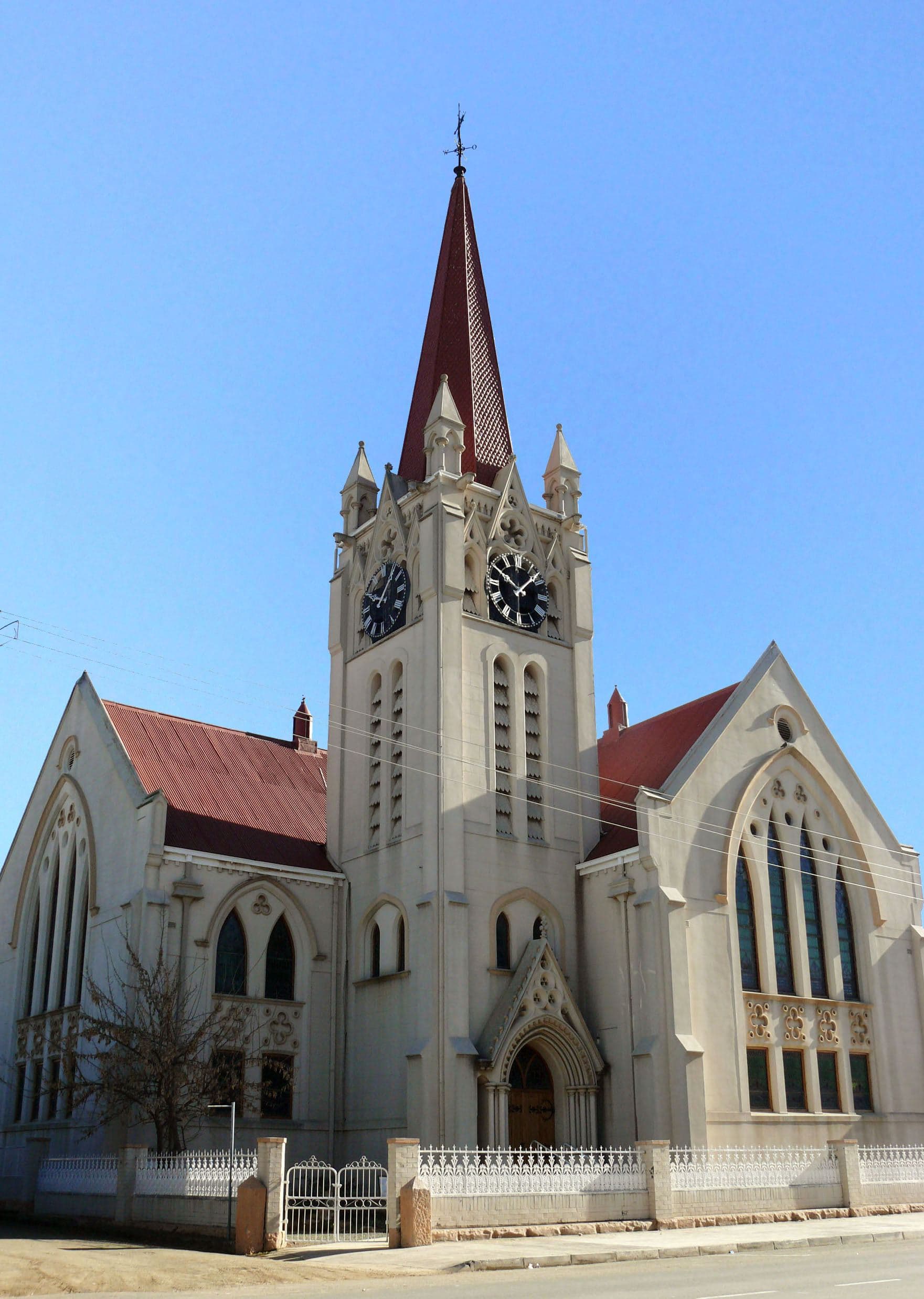
Die kerkgebou op Burgersdorp, ingewy in 1913. Foto: Morné van Rooyen.
Ons belydenis
Ons belydenis is nie 'n nuwe uitvinding nie, maar die tydlose waarheid wat deur die eeue bewaar is. Dit bind ons saam in eenheid van geloof.
Drie Formuliere van Eenheid
1561
Nederlandse Geloofsbelydenis
1563
Heidelbergse Kategismus
1619
Dordtse Leerreëls
1859: 'n Terugkeer
Op 11 Januarie 1859 het vyftien mans die vergadering van die Nederduitsch Hervormde Kerk verlaat. Hulle wou die leer, tug en diens van die vaders bewaar. Op hul versoek het ds. Dirk Postma, afgevaardigde van die Christelike Afgeskeie Gereformeerde Kerk in Nederland, op 10 Februarie 1859 onder die seringboom te Rustenburg die Gereformeerde Kerk gestig. Die akte van uittreding is op 11 Februarie 1859 gedateer. Dit was 'n terugkeer na die suiwer leer van die Skrif en die kerkregering soos vasgestel deur die Sinode van Dordt.
“In Gods huis Gods lied”: so het die Gereformeerdes in die negentiende eeu die Psalms teenoor die Evangeliese Gesange gestel.
Aan die einde van 1862 het die kerk 3 039 lidmate gehad. Teen 1904 was daar omtrent 12 000 lidmate in 48 gemeentes. Vandag bestaan die kerkverband uit 296 kerke in die gids, met honderde bedienaars in Suid-Afrika en Namibië.
Wat die Acta vertel
Die kerk se sendingfonds het met vyf sjielings begin, die gawe van 'n suster in die kerk wat toe reeds oorlede was. Teen 1879 het vrywillige gawes dit tot meer as £52 laat groei.
Bron: Acta 1879, voorwoord
Op die Sinode van 1952 was daar afgevaardigdes van die gemeentes Lusaka en N'Kana (vandag in Zambië), Enkeldoorn (vandag Chivhu in Zimbabwe) en Eldoret in Kenia.
Bron: Acta 1952, art. 3
Die kerk het sy eeufees van 27 tot 30 Maart 1959 op Rustenburg gevier. Op 29 Maart was daar ongeveer 30 000 feesgangers, en 'n tentdorp het meer as 3 000 van hulle gehuisves.
Bron: Acta 1961, art. 200
In 1950 het die kerke 153 gemeentes met 41 961 belydende lidmate en 68 predikante gehad. Teen 1990 was daar 300 gemeentes met 78 946 belydende lidmate en 286 predikante.
Bron: Acta 1997, rapport 25.4
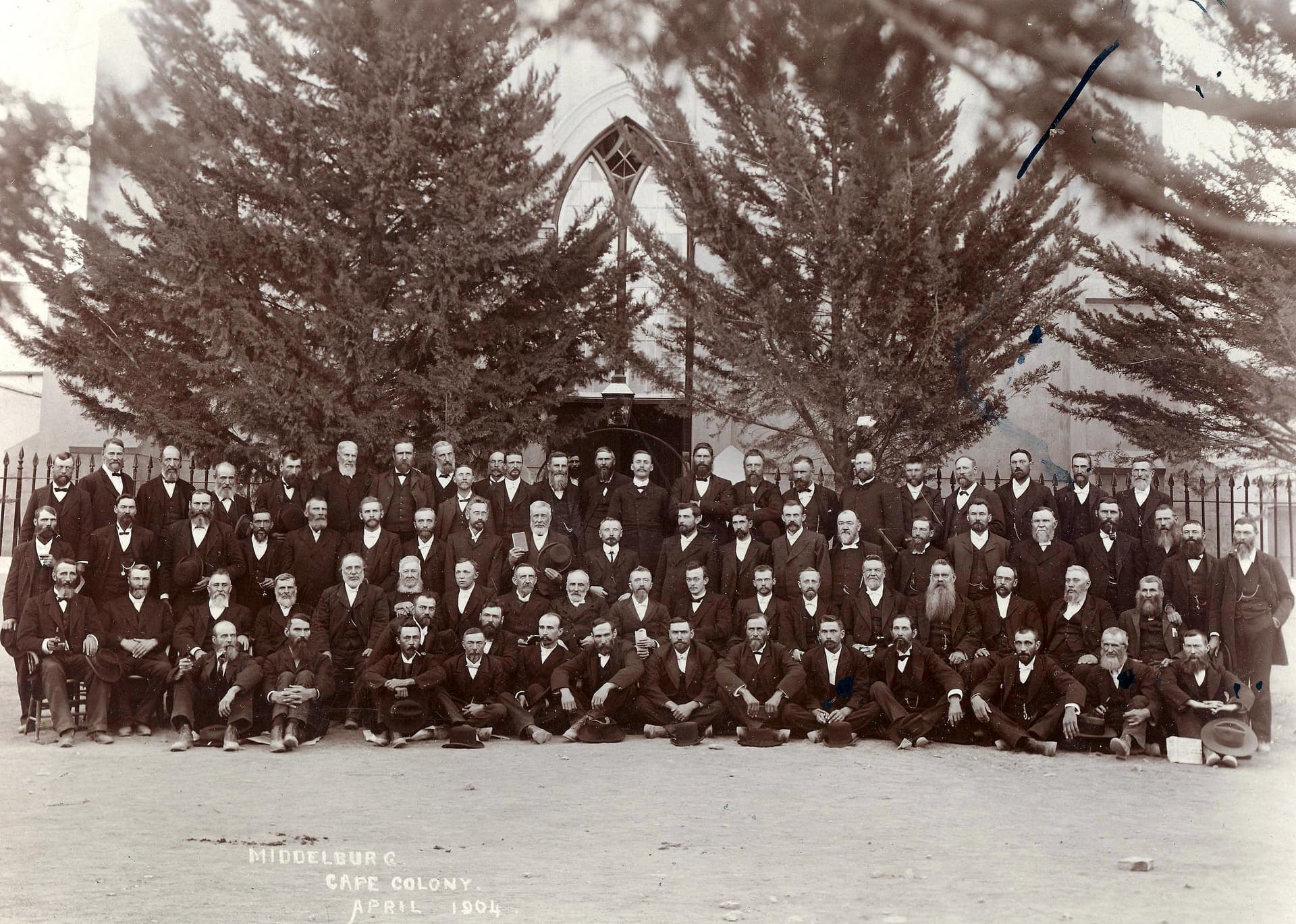
Die Algemene Sinode op Middelburg (Kaap), 1904. Foto: Argief van die Gereformeerde Kerke in Suid-Afrika (publieke domein in Suid-Afrika).
Missionêre roeping
“God is besig om tot sy eer mense uit elke nasie, taal en stam deur Christus se lyding, dood en opstanding te vergader en te verenig, deur die Heilige Gees wat die kerk as sy instrument toerus, met woord en daad.”
Afrika-uitreik
Opleiding en evangelisasie in Mosambiek en Malawi, en kerklike eenheid met die Sudanese Reformed Churches.
Wêreldwye vennote
Samewerking met kerke in Korea, Noord-Amerika en Brasilië vir die evangelie.
Opleiding
Mukhanyo Teologiese Kollege bied afstandsonderrig aan pastore in Suid-Soedan, Malawi en plaaslik.
Hoe ons georganiseer is
Die Gereformeerde Kerke word nie van bo af bestuur nie. Elke plaaslike kerk is selfstandig, maar verbind aan ander deur vier vlakke van vergadering: van die kerkraad tot die algemene sinode.
Plaaslike kerkraadArtikel 37
In alle kerke moet 'n kerkraad wees wat bestaan uit die bedienaar(s) van die Woord en die ouderlinge. Dit is die enigste permanente gesagsliggaam.
KlassisArtikel 41
'n Vergadering van naburige kerke (10-15) wat elkeen 'n bedienaar en 'n ouderling afvaardig. Hulle ondersteun mekaar en gee advies.
StreeksinodeArtikel 47
'n Vergadering van naburige klassisse. Vergader jaarliks om sake te hanteer wat te omvattend is vir 'n enkele klassis.
Algemene SinodeArtikel 50
Die vergadering van die hele kerkverband (gewoonlik driejaarliks). Hanteer sake van nasionale belang soos Belydenis en Kerkorde.
Orde, nie hiërargie nie.
Die kerkraad, klassis en sinode is nie "rade" wat wette maak nie, maar "vergaderings" wat saam soek na Gods wil.
Geen heerskappy (artikel 84)
Geen kerk mag oor 'n ander kerk, en geen ampsdraer oor 'n ander ampsdraer, heers nie.
Besluite (Art 31)
Wat met 'n meerderheidstem besluit is, word as vas en bindend beskou, tensy bewys word dat dit teen die Woord van God is.